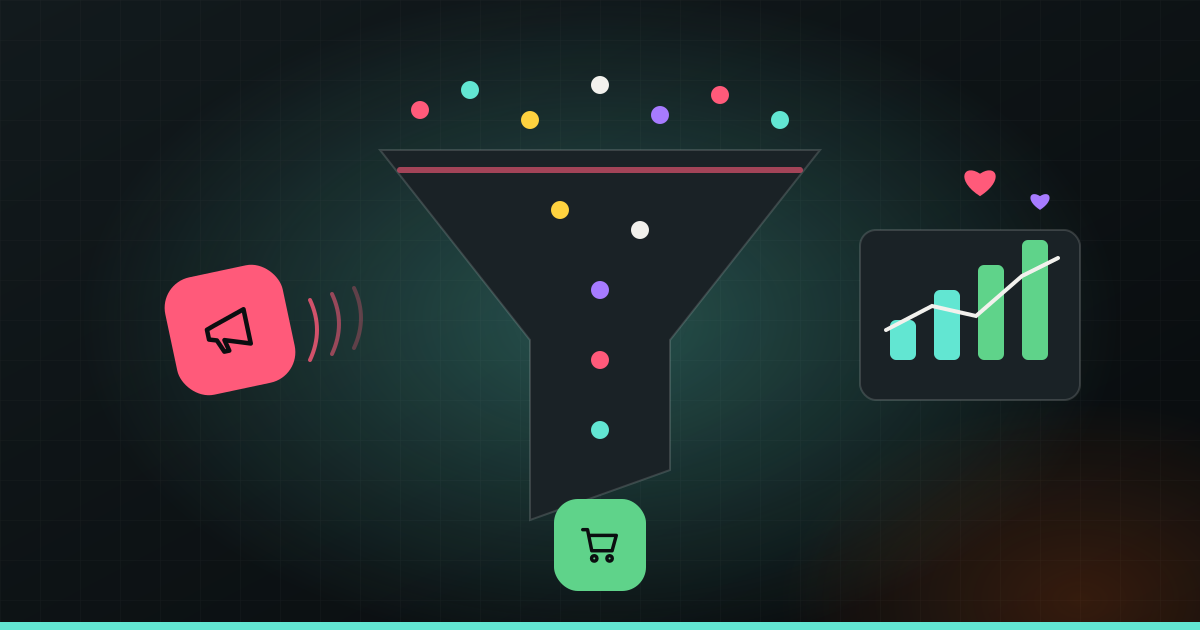
Digital marketing brings you customers by meeting people at each step of their decision and moving them to the next one. Someone sees you, gets interested, contacts you, buys, and comes back. Every channel, from Google to Instagram to WhatsApp, is just a tool for one or more of those steps.
Once you see it this way, marketing stops feeling like random posting and ad spending. You can ask a simple question: which step are we losing people at, and which channel fixes that?
The customer journey in five steps
Think of a family looking for a new dentist, or a student looking for a coaching centre. They usually go through these stages:
- Seen. They notice you exist. An ad in their feed, a search result, a friend’s share.
- Interested. They want to know more. They visit your website or profile, read reviews, watch a video.
- Contact. They reach out. A WhatsApp message, a call, a form, a visit.
- Buy. They book, order or sign up.
- Return. They come back, buy again and tell others.
Most businesses only think about step one, getting seen. But if your website is confusing, nobody replies to WhatsApp for a day, or there is no reason to come back, the money spent on getting seen leaks away. Good marketing looks at the whole path.
What each channel is good for
Each channel has a natural strength. Here is a simple map.
| Channel | Best at | Works well for |
|---|---|---|
| Google search | Catching people already looking | Clinics, repair services, schools, local shops, B2B services |
| YouTube | Explaining and building trust with video | Courses, products that need a demo, experts |
| Instagram and Facebook | Getting noticed and creating desire | D2C brands, cafés, fashion, events, local businesses |
| Reaching decision-makers at companies | B2B services, software, hiring, consulting | |
| Conversations that turn into sales, and repeat business | Almost every business in India | |
| Content and SEO | Being found for free over time | Any business willing to be patient |
Google search
When someone types “dentist near me” or “accounting software for small shops”, they already want something. That is why Google search is so powerful: you show up at the exact moment of need. You can pay for ads at the top, or earn a place lower down through SEO (search engine optimisation, which means making your website easy for Google to understand and trust). For local businesses, a complete Google Business Profile with reviews matters a lot too.
YouTube
Video lets people see you, hear you and understand what you do before they ever contact you. A coaching centre showing a sample class, or a furniture brand showing how a sofa is made, builds trust that a photo can’t.
Instagram and Facebook
Owned by the same company, Meta, and sold through the same ad system. People aren’t searching here; they’re scrolling. So these channels are best at creating interest in something people didn’t know they wanted. Strong visuals and short videos matter. If you are deciding between the two big ad platforms, see Google Ads vs Meta ads.
The place for selling to businesses. You can target by job title, industry and company size. It suits higher-value B2B services where one client is worth a lot.
In India, WhatsApp is where the sale often actually happens. Ads on Instagram or Facebook can open a WhatsApp chat directly. After the first purchase, WhatsApp is also great for order updates, reminders and offers to past customers, as long as you don’t spam people.
Content and SEO
Helpful blog posts, videos and guides answer the questions your customers ask. Over time they bring in visitors without you paying for each one. It is slow, but it builds an asset you own.
Paid vs organic: you usually need both
Paid marketing means ads. You pay Google, Meta or LinkedIn to show you to the right people. Results can start within days, and you can control who sees what. The catch: when you stop paying, the results stop.
Organic marketing means everything you don’t pay per view for: social posts, SEO, content, reviews and word of mouth. It takes longer, but it keeps working and makes your ads cheaper over time, because people who already know and trust you are easier to convert.
A practical mix for many small businesses: use ads to get enquiries coming in now, while building organic content and reviews that will carry more of the load later.
Tip: Before spending on ads, make sure the basics work: a clear website, a WhatsApp number that gets answered quickly, and a simple offer. Ads only amplify what is already there. Our checklist on what to do before your first ad covers this.
What to measure: leads and sales, not likes
Likes, views and followers feel good, but they don’t pay rent. A post can go viral and bring zero customers. A boring-looking search ad can fill your appointment book.
Measure the things that connect to money:
- Leads: how many people contacted you (WhatsApp chats, calls, form fills).
- Cost per lead: how much you spent to get each one.
- Sales: how many leads actually bought.
- Cost per customer: total spend divided by new customers.
- Repeat customers: how many came back.
To do this, you need some tracking: a way to know which ad or post a lead came from. Even a simple sheet where your team writes “How did you hear about us?” is a start. Proper tracking on your website and ad accounts makes it much clearer.
Why testing matters so much
Nobody knows in advance which message, picture or audience will work best. Not you, not an agency. What works for one café may flop for another across town. Good marketers make a guess, test a few versions, keep the winners and drop the rest.
That might mean trying three different headlines on an ad, two different offers, or showing the same ad to two different age groups. Small changes can make a big difference to how many people contact you. It also means the first few weeks of any campaign are partly about learning, and that is normal.
This is also why ads that “didn’t work” often weren’t given a fair test. If you’ve had that experience, read why your Instagram ads aren’t working.
Putting it together
A simple example. A new physiotherapy clinic in a busy area might:
- Set up a strong Google Business Profile and run search ads for “physiotherapist near me” (people already looking).
- Post short Instagram videos with exercise tips to build trust locally (getting seen and interest).
- Make every ad and post lead to WhatsApp, where someone replies fast (contact and buy).
- Send follow-up messages after treatment and ask happy patients for a Google review (return and referral).
- Track every enquiry back to its source and move budget to what brings patients.
Doing this well takes time, testing and attention every week. Wizket runs ads and content on Google, YouTube, Instagram, Facebook, LinkedIn and WhatsApp, and focuses on leads and sales rather than vanity numbers. It starts with a quick WhatsApp chat about your goal.